

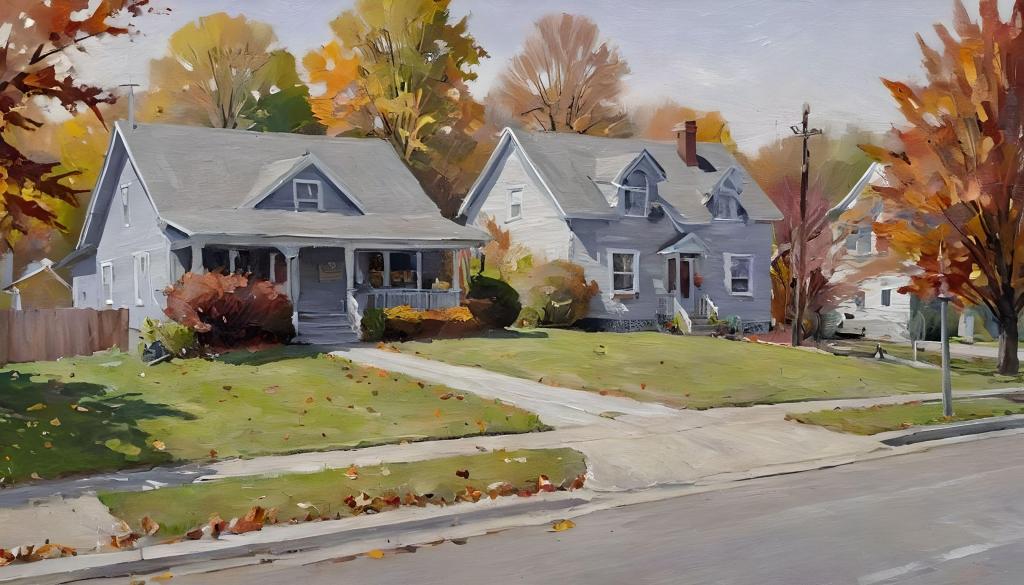
American suburbia has long been romanticized as the epitome of the American Dream—a picturesque landscape of neatly manicured lawns, picket fences, and idyllic homes. It represents a vision of safety, prosperity, and community, drawing people with the promise of a tranquil and comfortable life. However, beneath the surface of this nostalgic allure lies a complex and often unsettling underbelly that challenges the idealized image of suburban living.
The appeal of suburbia is deeply rooted in nostalgia, evoking a sense of the past when life was simpler and communities were tight-knit. The image of children playing in front yards, families gathering for barbecues, and friendly neighbors sharing a sense of camaraderie paints a picture of suburban life that resonates with many Americans. The suburban dream promises a sanctuary away from the hustle and bustle of city life, offering a retreat into a world where the pace is slower and the stresses are fewer.
Suburbia is synonymous with a perceived sense of safety and security. The low crime rates, well-maintained public spaces, and top-notch schools contribute to the perception that suburbs are ideal places to raise families. The comforting predictability of suburban life, where routine is cherished and change is gradual, adds to the appeal. It becomes a refuge from the uncertainties of the outside world.
Beneath the façade of tranquility, however, lurks a darker side to suburbia. The uniformity that is often celebrated can become stifling, fostering a sense of conformity that suppresses individuality. The pressure to conform to societal norms can lead to isolation for those who don’t fit the mold, creating a suffocating environment that is anything but idyllic.
Moreover, suburban life is not immune to societal issues such as addiction, domestic violence, and mental health struggles. Behind closed doors, the perfect facades may hide a multitude of challenges, and the pressure to maintain an image of perfection can exacerbate these issues.
Paradoxically, the very sense of community that draws people to suburbia can also contribute to social isolation. The car-centric design of many suburbs, where residents rely heavily on automobiles to navigate their communities, can hinder spontaneous interactions and limit opportunities for meaningful connections. This isolation can lead to a sense of disconnection, as residents may find themselves physically close but emotionally distant from their neighbors.
American suburbia’s nostalgic allure is undeniably powerful, offering the promise of a tranquil and secure life. However, the seemingly perfect exterior often conceals a more complex reality. Suburbia, with its dichotomy of nostalgia and a creepy underbelly, serves as a microcosm of the broader challenges and contradictions inherent in American society. It prompts a reflection on the trade-offs between comfort and conformity, safety and stifling uniformity, making it a fascinating and multifaceted aspect of the American experience.
 twelve-house-books.org